Sense of Wonder
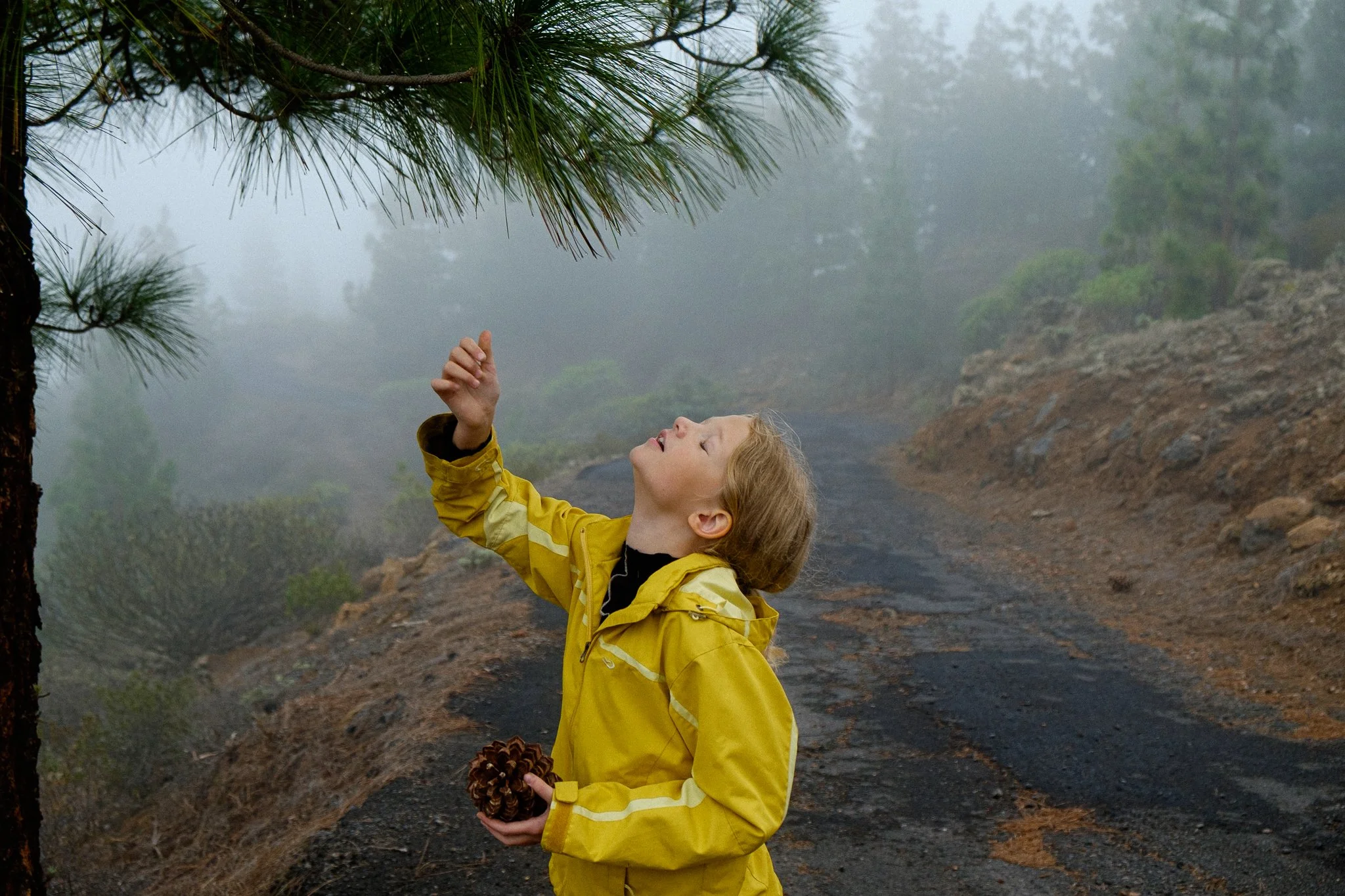
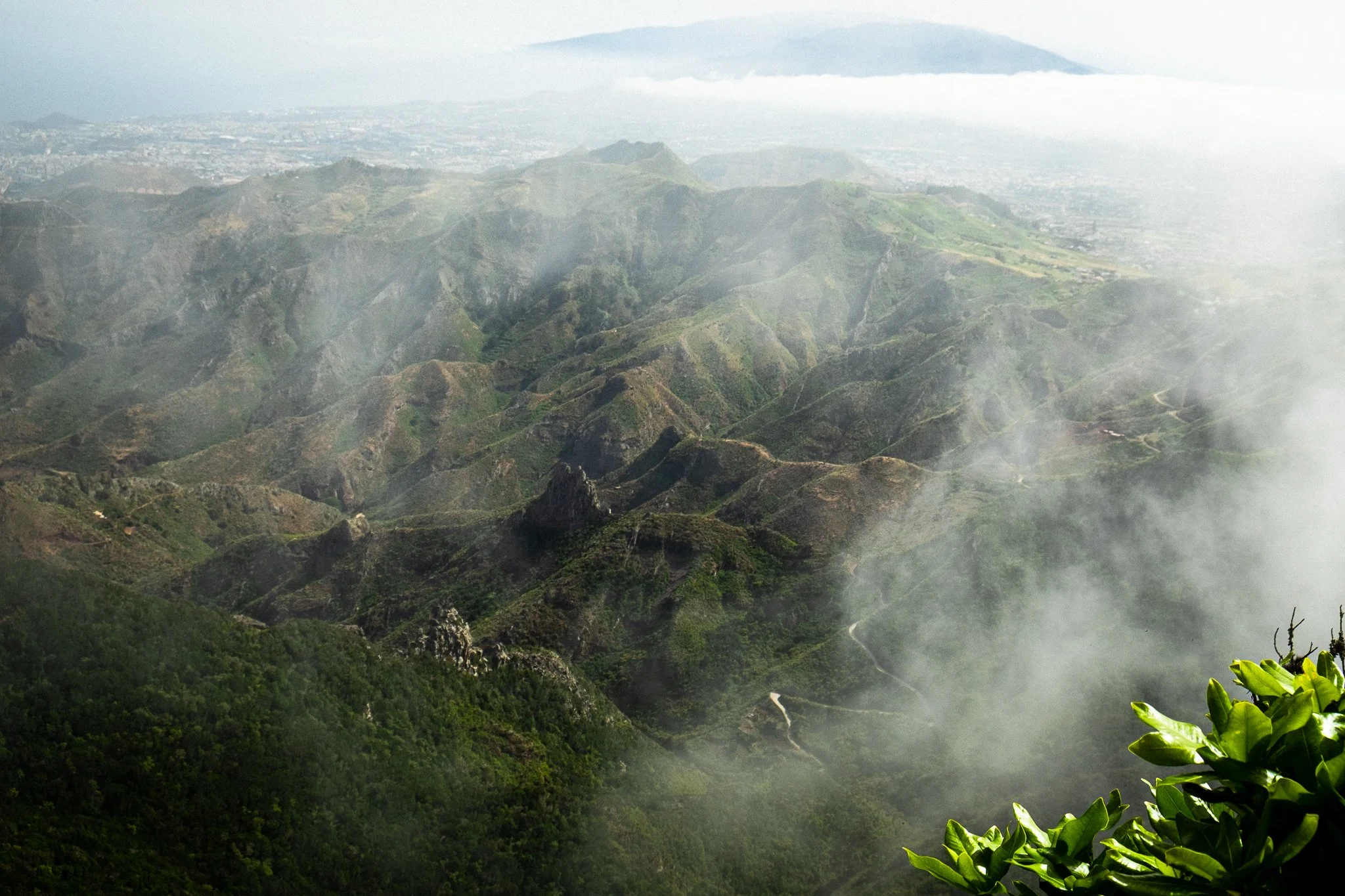
El Contador nature trail at about 1500m altitude.
Does the journey make you a hero—or a fool?
After more than ten years as a food photographer, my life had become comfortable, predictable, and quietly wrong.
My professionalism guaranteed solid results, but enthusiasm had started to lag behind execution. Somewhere between polished plates and satisfied clients, a gap had opened—between what I valued and how I spent my days. Dragging my gear through slush-filled streets, I caught myself daydreaming of warmth, light, and a life that felt less like repetition and more like movement.
The Impossible Decision
The moment I realised that if my youngest started school in Estonia we’d be anchored there indefinitely, I set a deadline. By September 2024, we’d be gone.
Moving to Tenerife began as a joke. Years earlier, during a school break, my kids and I laughed about relocating there simply because the weather was good. But once I seriously weighed the options, the joke hardened into a plan. Tenerife offered a gentle climate, a strong Estonian community, and a steady supply of food businesses that—at least on paper—might need someone like me.
I’ll skip the year-long preparation phase: finding schools, fixing everyone’s teeth, turning our apartment into an Airbnb, selling everything that wouldn’t fit in a car, researching work, and repeatedly assuring older relatives that we were not, in fact, joining a cult.
On September 16th, 2024, we drove off the ferry in Santa Cruz de Tenerife. With no permanent home yet, we checked into a hotel and briefly entertained the fantasy of a never-ending holiday.
Bullshit.
The Reality Wasted No Time
The kids were already two weeks behind in school, so the very day we arrived, they opened workbooks instead of beach umbrellas. They were officially enrolled in distance learning with an Estonian school, which provided structure and deadlines but little to no tutoring. I suddenly found myself teaching first and eighth grade simultaneously—an experience that required patience, stamina, and a level of pedagogical optimism I did not possess.
Because we were two hours behind Estonian time, online lessons sometimes started at 6 a.m. By the time schoolwork was done, the sun was already setting. Weekdays disappeared before they even began, and job searching was squeezed into whatever mental energy remained.
At the same time, we were hunting for a place to live.
This is when it truly hits you: in a new country, you are a nobody. A nobody can’t rent an apartment. Nobody trusts a nobody. A nobody needs paperwork, guarantors, local references—or a briefcase full of cash.
We were surrounded by cautionary tales. Facebook groups overflowed with stories of lost deposits and vanished landlords. November, the busiest month for sunseekers, was approaching fast. We eventually found a place, but at a cost we didn’t fully understand at the time.
We chose a spacious apartment in a small fishing village—authentic, quiet, and beautifully isolated. In hindsight, Tenerife forces a choice: English-speaking expat hubs in the south, local life in the north, or quiet coastal villages where everything requires a car and social life is optional. Due to the rocky terrain, walking to the next town often isn’t romantic—it’s impossible.
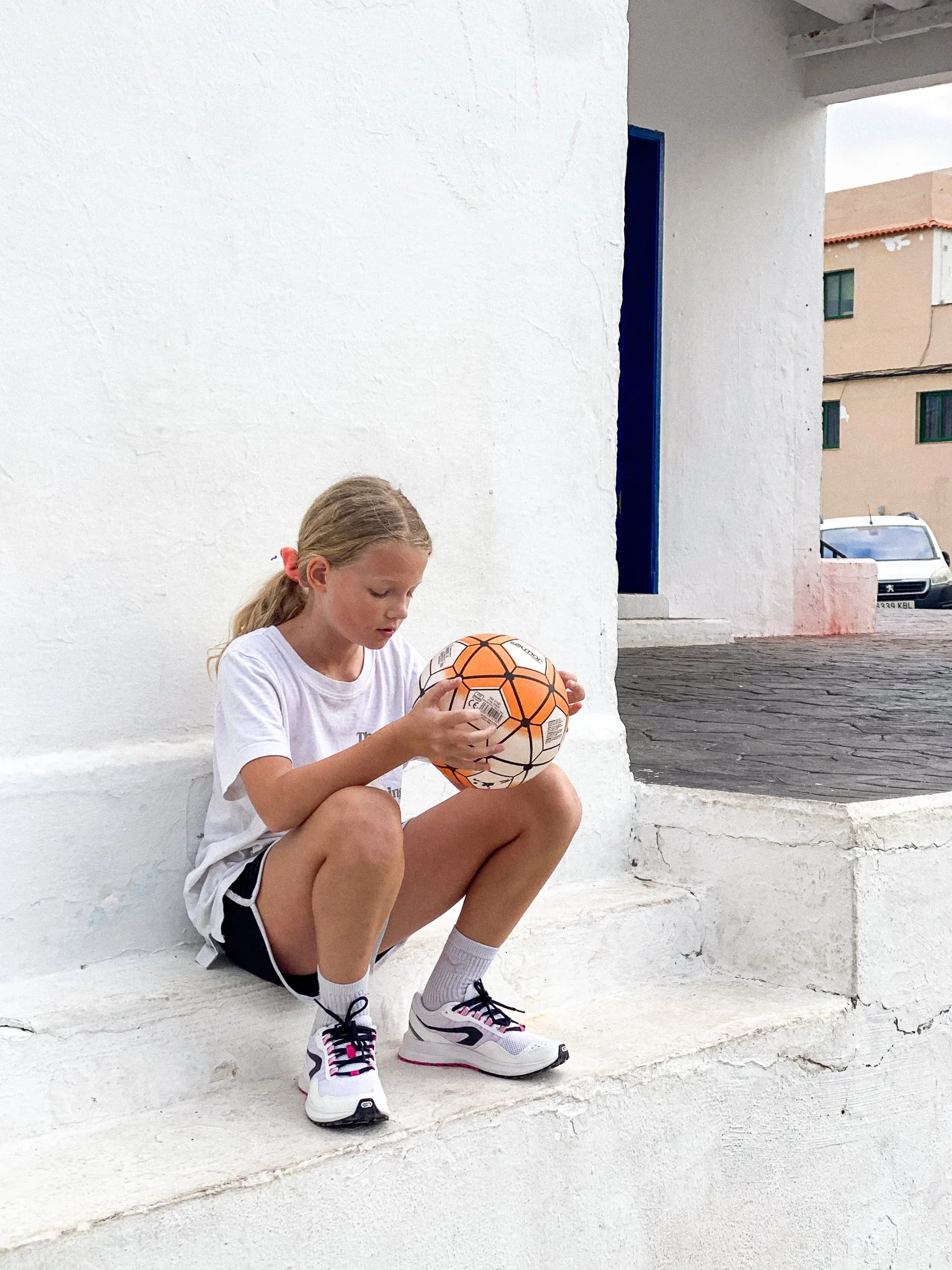
The kids felt it immediately. The playground became a daily mission. We lingered, hopeful. But in our village, nobody spoke English—certainly not the elementary school kids. My daughter adapted by learning soccer and roller skating (not simultaneously).
Ironically, when we later returned to Estonia, she made friends almost instantly. Overcoming the language barrier had turned a shy kid into a sociable one.
The pressure accumulated quietly. The only reliable alone time involved long walks in the desert or driving to Lidl for groceries.
At this point, the question wasn’t whether moving had been difficult. It was whether it had been a mistake.
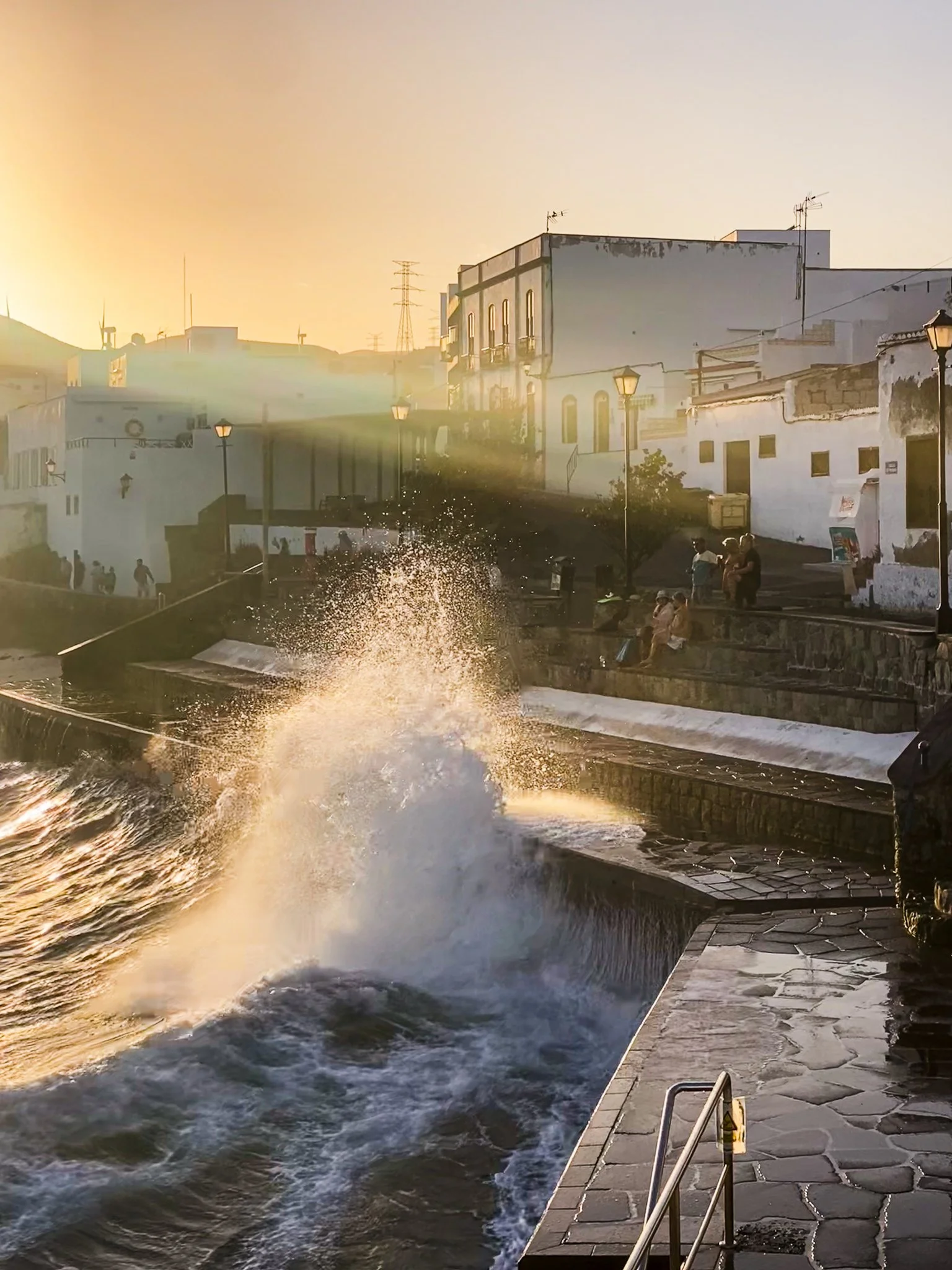
And yet, every day the sun rose from the ocean and set behind the volcano. Waves crashed against the rocks. Fishermen cast their lines. Our evening walks around the village kept us sane and reasonably fit. Somehow, there was a grain of happiness in every day.
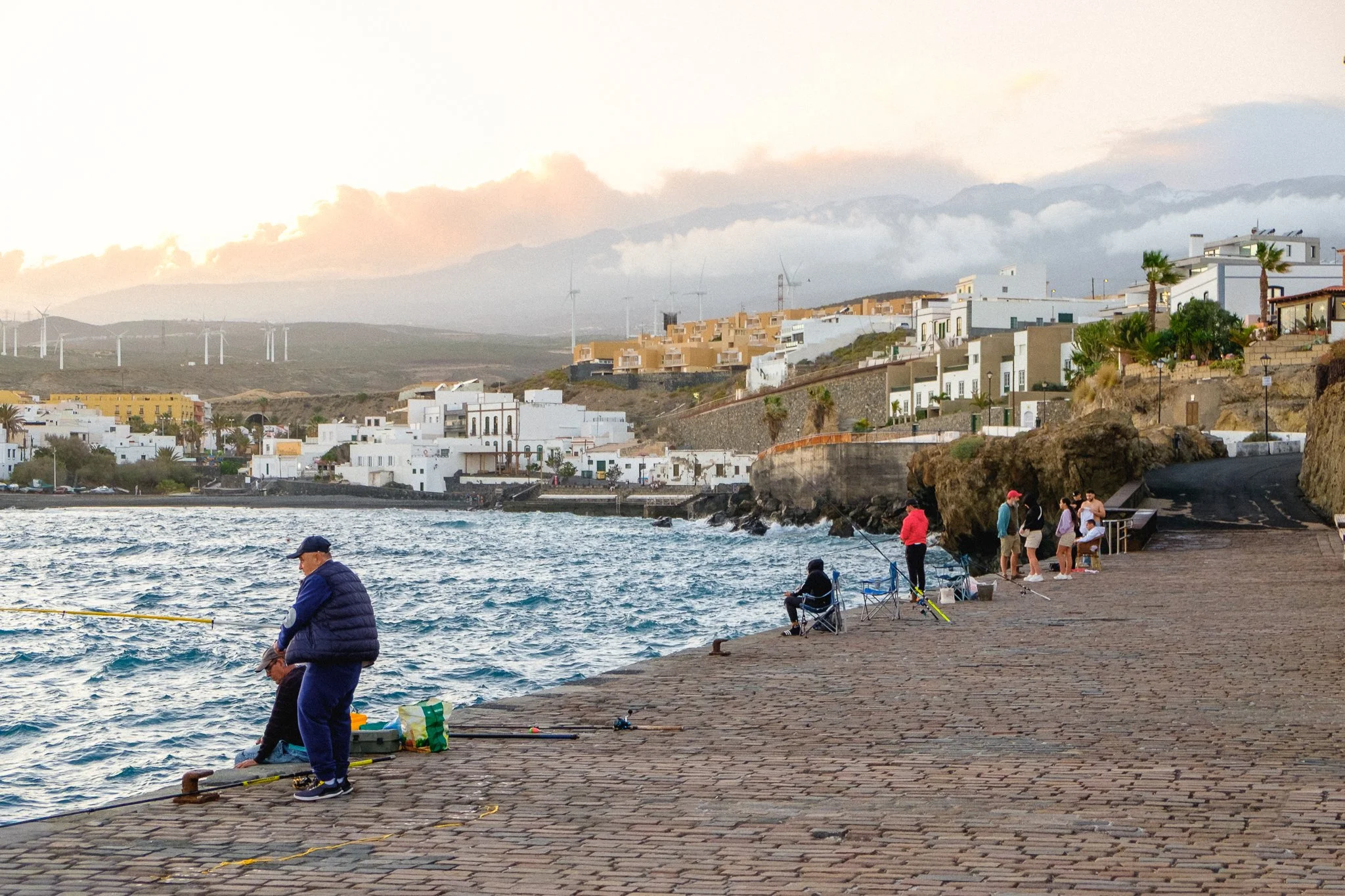
Poris de Abona on Christmas Day 2024
Serendipitous Encounters
Strangely, loneliness didn’t land where I expected it to. I felt welcome and supported by the Estonian community. Being a minority compresses distances. People with shared backgrounds gravitate toward each other instinctively.
Even beyond nationality, something broader was at work. A Polish chef in a British-owned restaurant welcomed me like a neighbour. I handed out advice in expat chat groups to Lithuanians without expecting anything back. A Ukrainian family running a farm became one of my first clients.
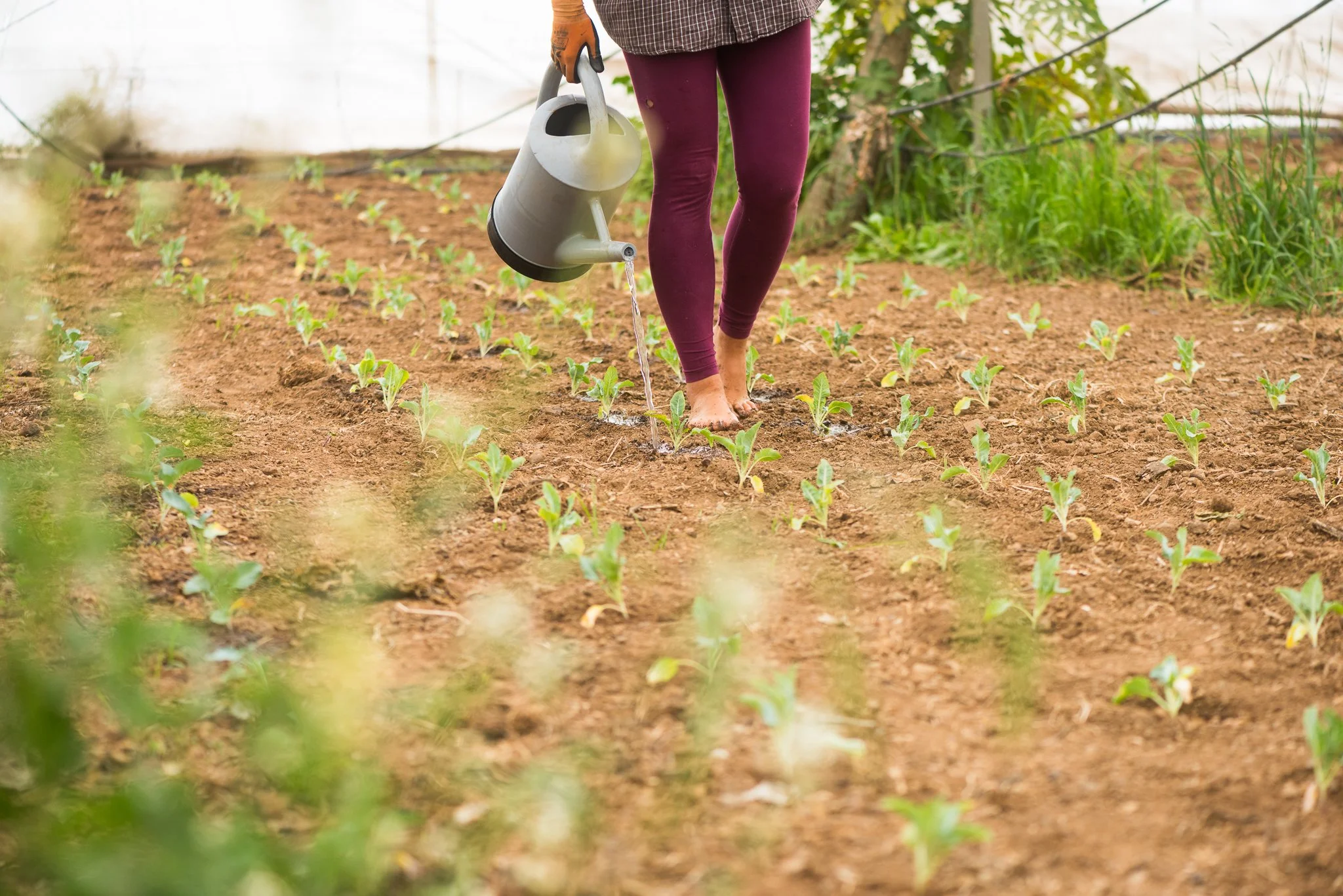
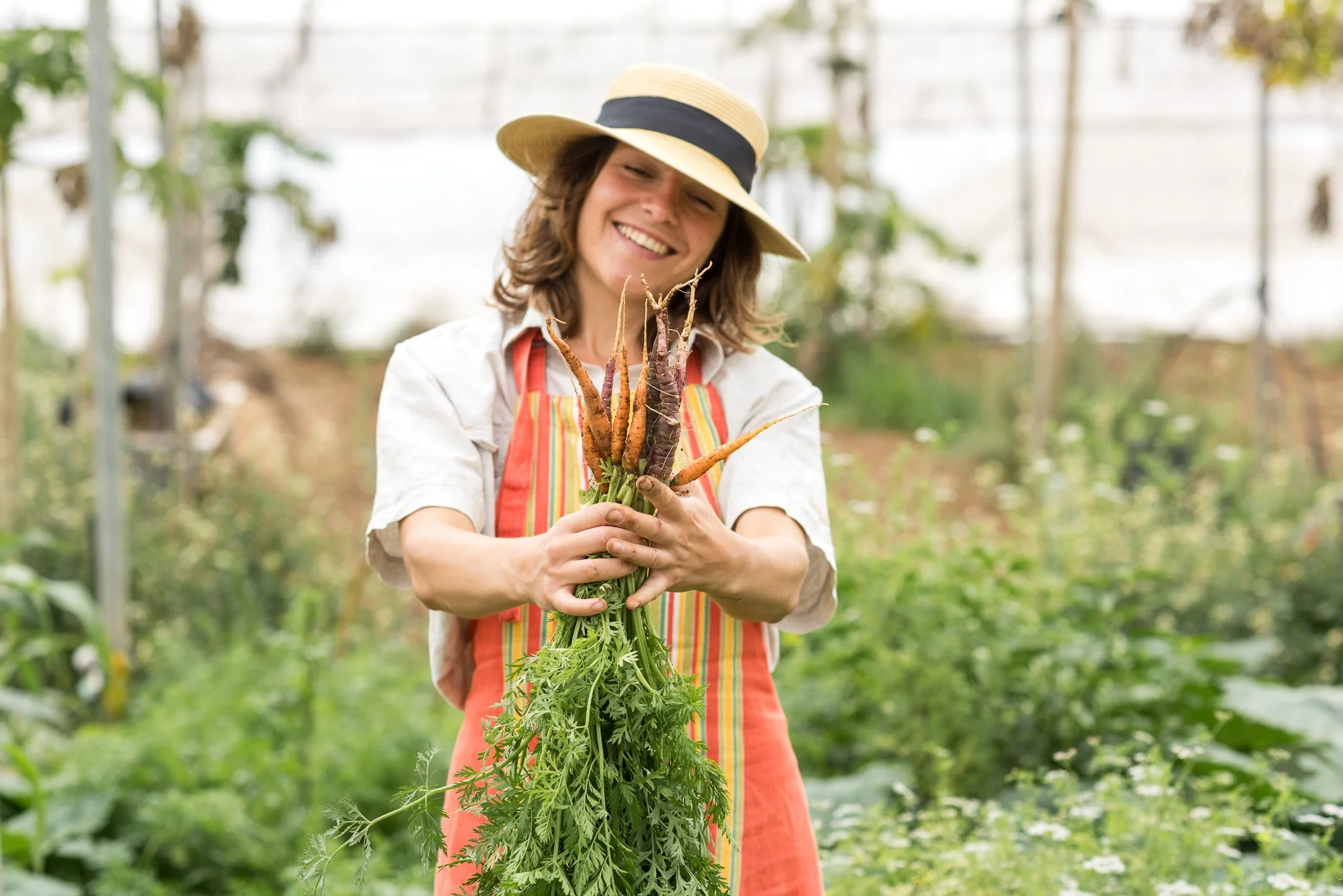
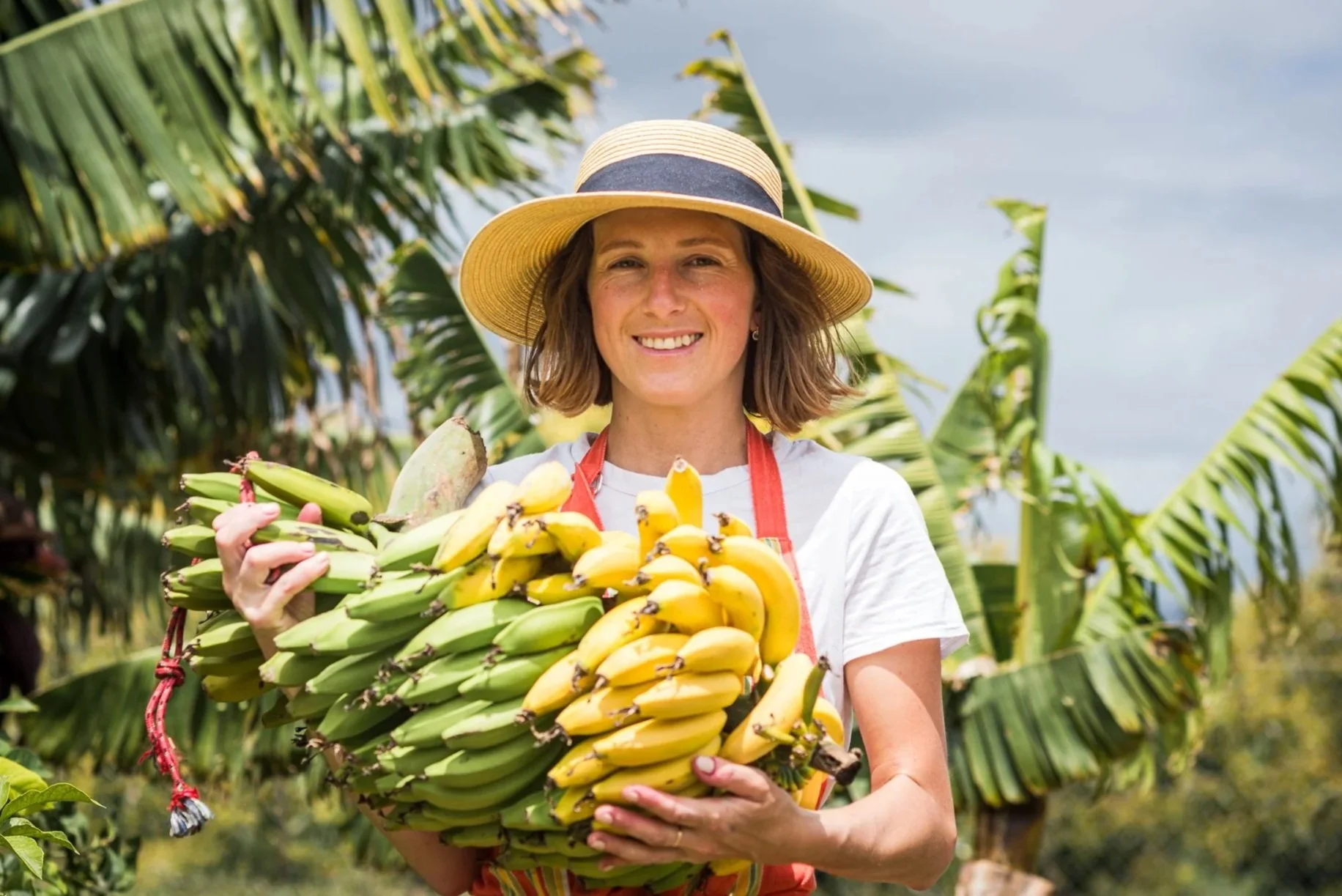
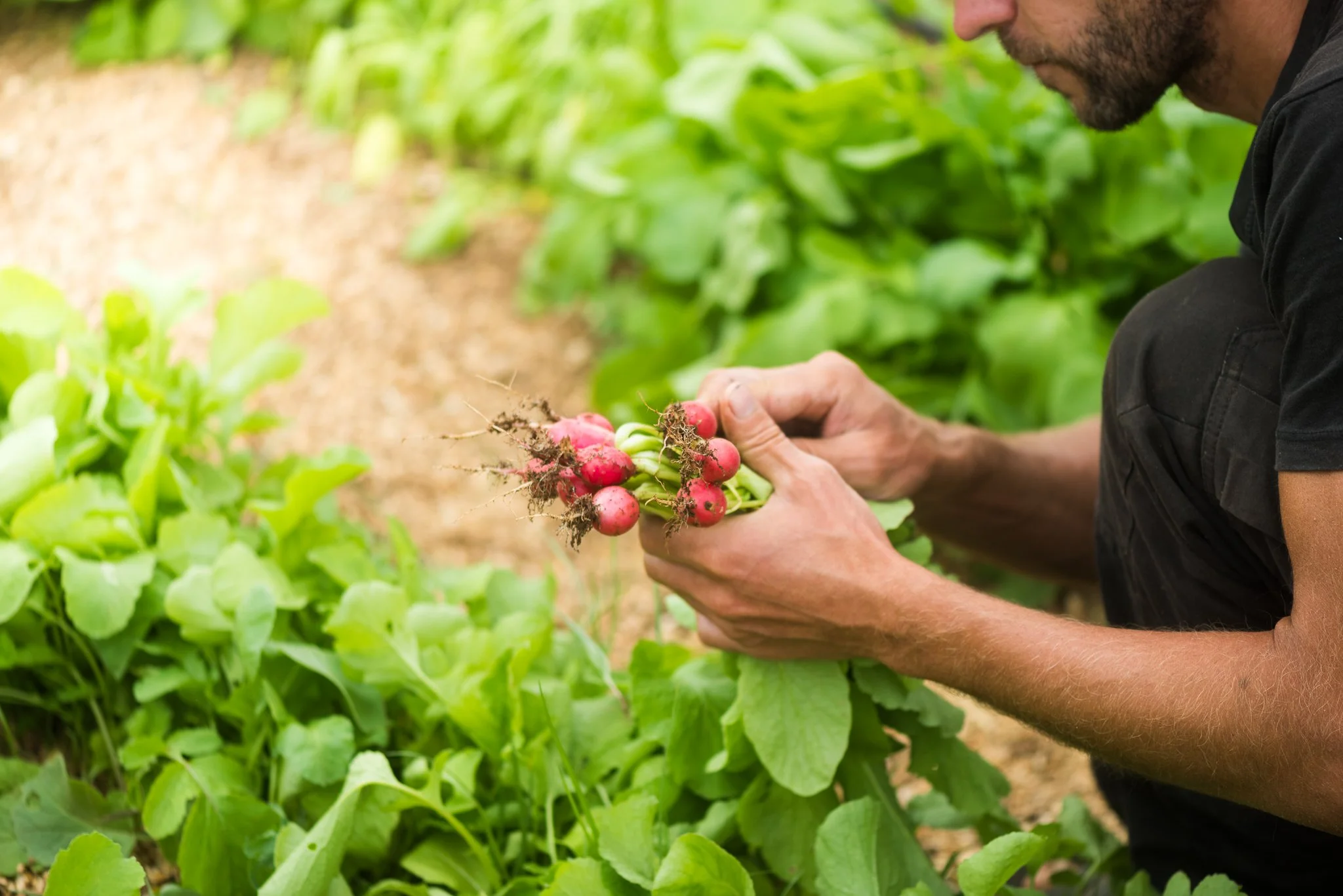
One day, I saw an ad about an open house and guitar concert at a family farm nearby. My daughter, devoted to all living creatures, insisted we go. I brought my camera along out of habit. We wandered under avocado trees, peeked into greenhouses, learned how mangoes grow, fed ducks, ate homemade borscht, and listened to guitar music as the sun went down.
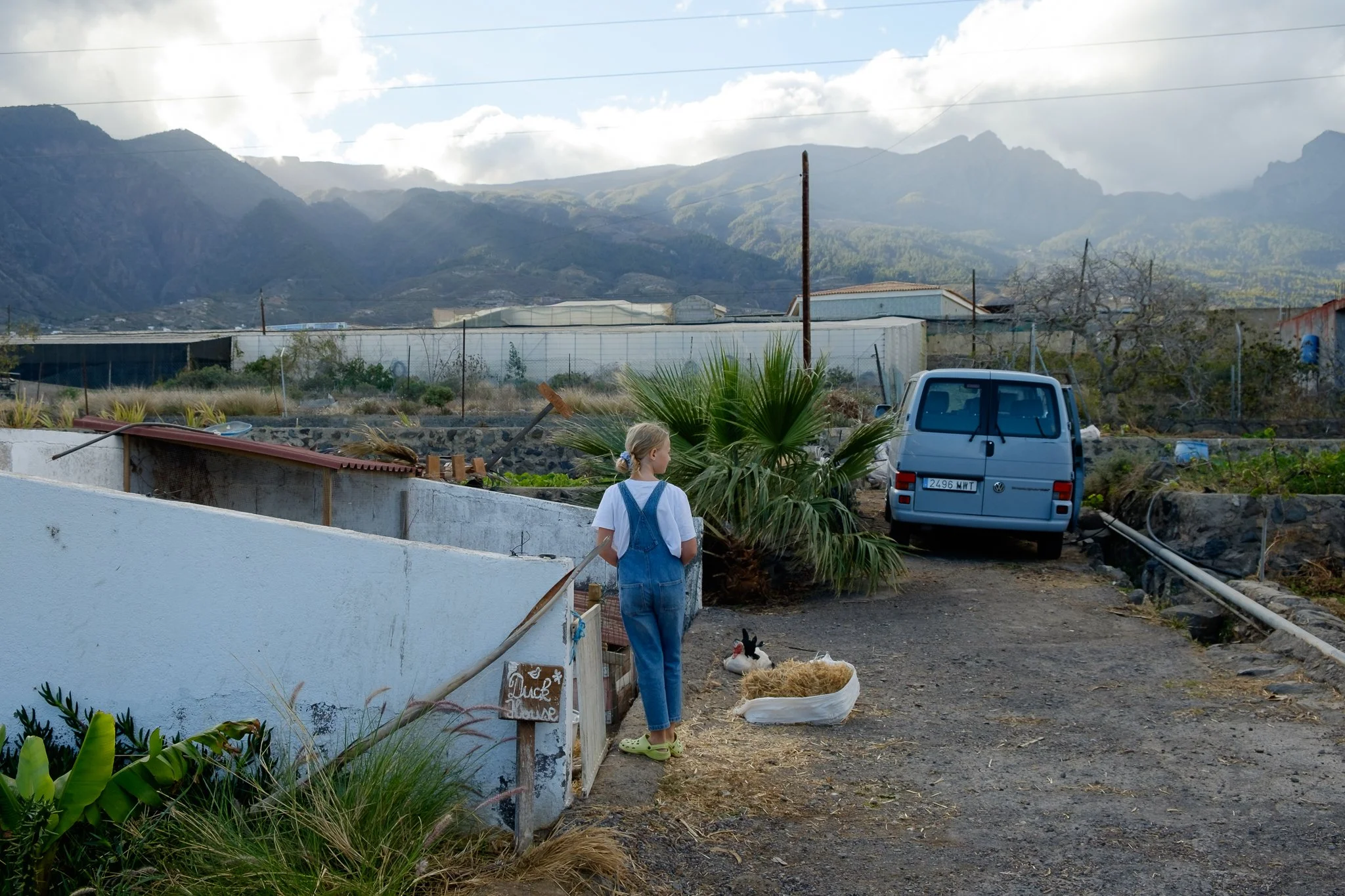
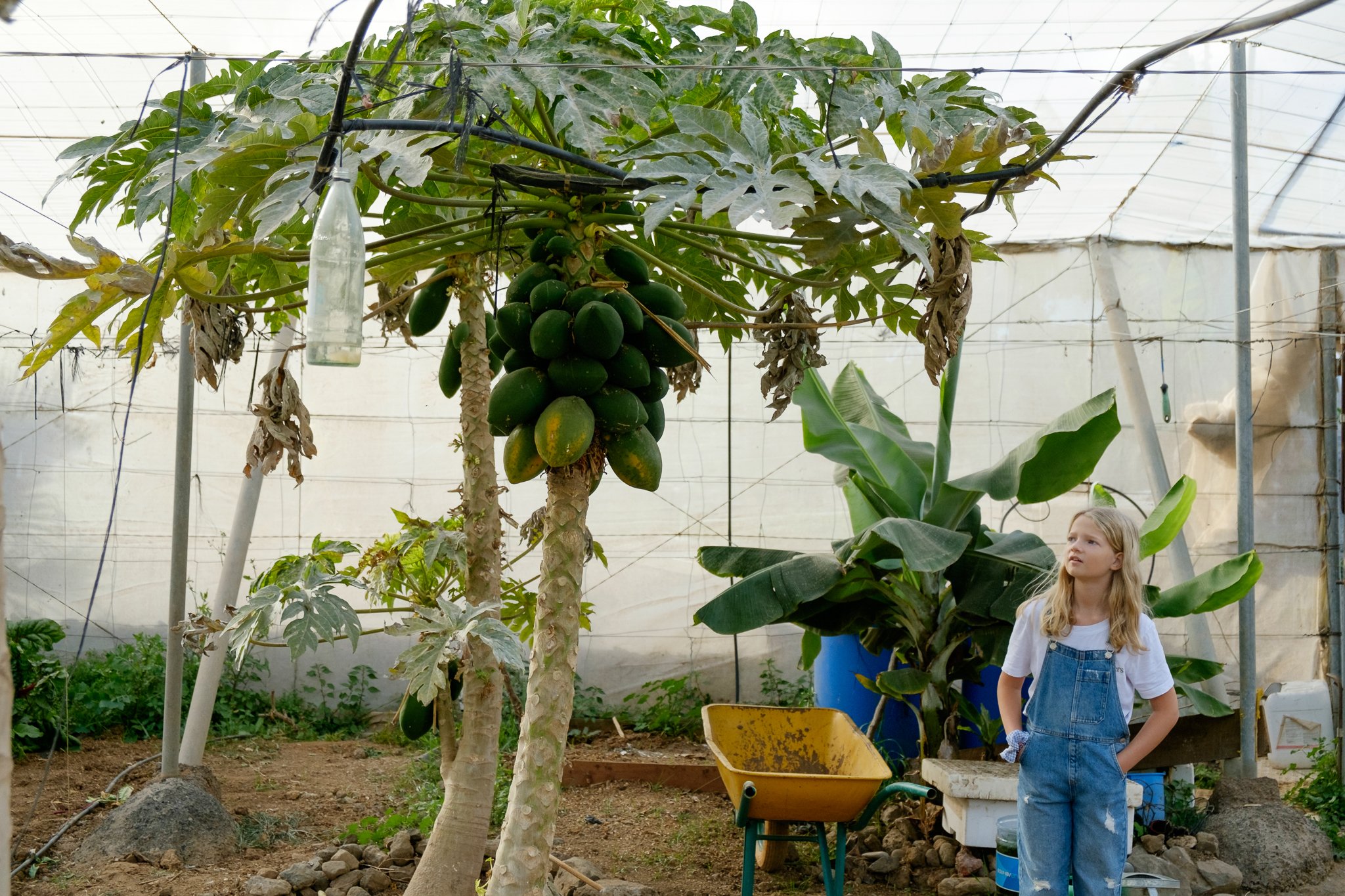
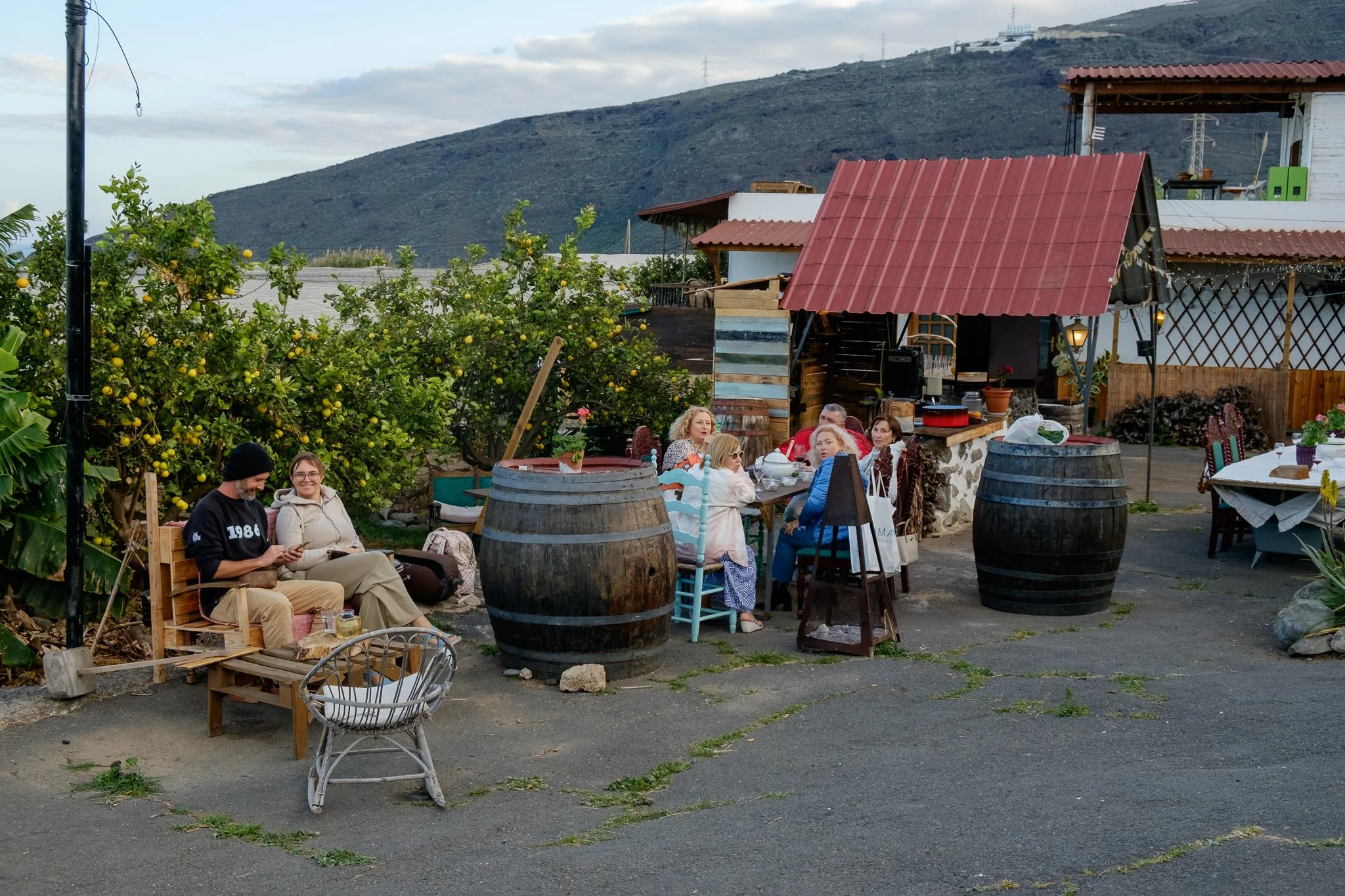
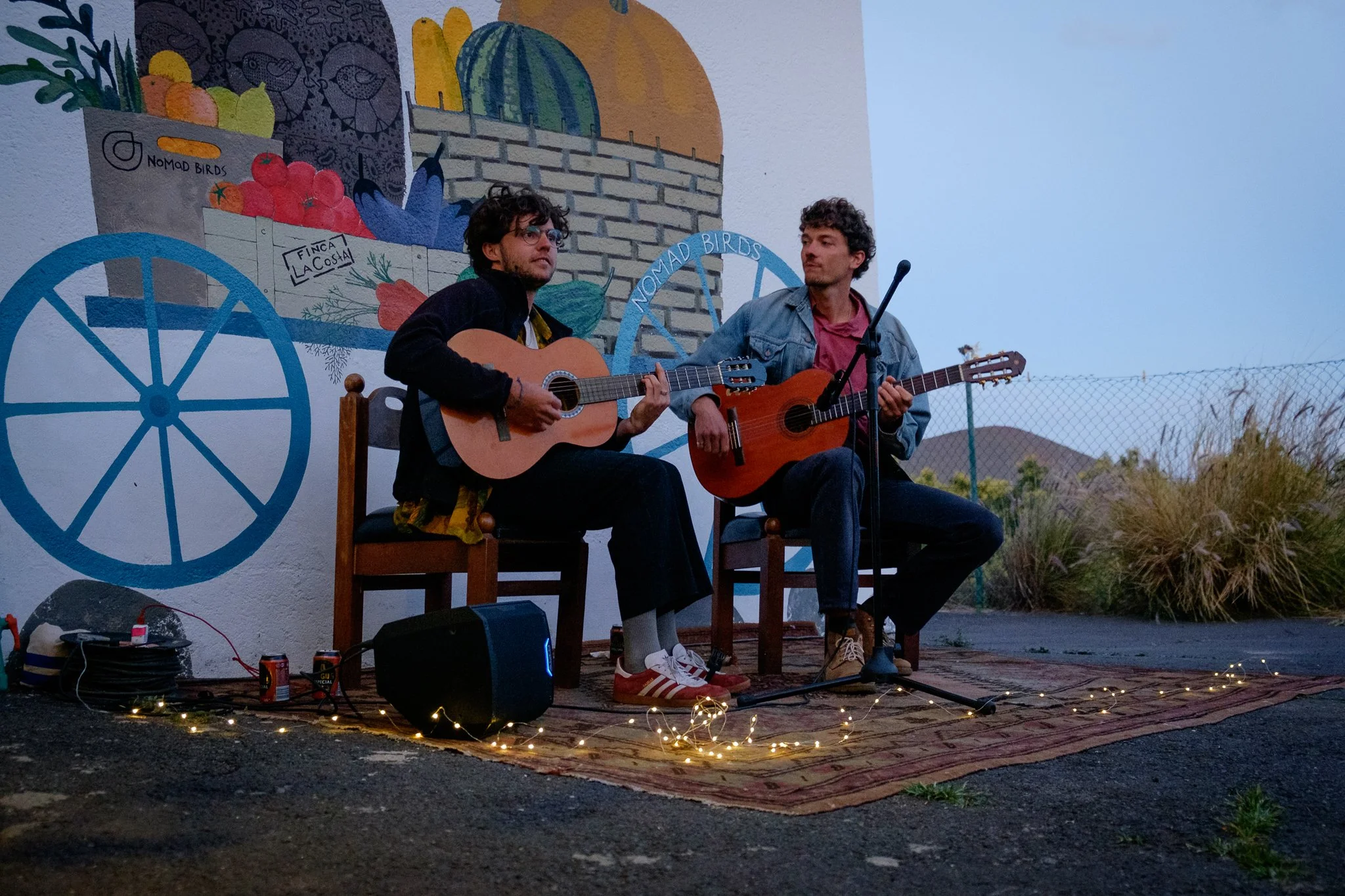
I posted the photos and tagged the farm. That’s how the conversation started.
In retrospect, a pattern emerges: every meaningful connection started with giving something first. It wasn’t networking. It was participation.
The Fear in Disguise
Freelancing in a new country is a masterclass in humility and resourcefulness. I didn’t skip a single networking event. Neither did the other expats. We met, exchanged smiles, swapped stories—and then mostly went home empty-handed. The jobs were where the locals went every day: out of our reach, or so it seemed.
Of course it takes courage to jump headfirst into a new country, but that wasn’t the bottom. Changing the environment only scratched the surface of where I still had to go. The real work wasn’t about becoming fearless or more efficient—it was about confronting a quieter kind of resistance.
The fear wasn’t dramatic. It didn’t stop me from moving countries or talking to strangers. It showed up later, in subtler ways. I could generate ideas, see connections, and explain possibilities with ease. I was comfortable starting things.
What I resisted was finishing them publicly. Once an idea left my control, it belonged to other people’s expectations, interpretations, and judgments. Polishing felt productive. Publishing felt scary.
So I stayed in preparation longer than necessary—busy, capable, and safely unseen. Someone like me could move countries without blinking, yet hesitate before sending one imperfect email.
Letting the Work Breathe
I noticed something quietly inconsistent in how I treated my photographs. I never hesitated to share travel images or moments from daily life. Family photos, hikes, fragments of light and landscape—they went online without debate. Work, on the other hand, stayed hidden, endlessly adjusted, waiting for a better moment that never seemed to arrive.
After posting images just for fun, I began revisiting work from the past few years. To my own surprise, I felt proud—not because the projects were flawless, but because they were coherent. They served a purpose for the client, carried a message, and most importantly stood the test of time.
That made it easier to articulate where I actually brought value to clients and why they might choose me, even without knowing me yet. I started writing case studies and publishing them anyway. Each time, I was surprised by how much sense the work made once it was out in the open.
The lightness I felt hiking with my family and a camera didn’t stay there. Unnoticed, it found its way back into my professional work as well.
A Spark
The shift didn’t change everything, but it changed enough. The farm project—photos taken without a pitch and shared without a strategy—turned into a conversation. Then into work. Not a breakthrough, just recognition.
I had gone there with a cheap travel camera, a single lens, and whatever attention I could bring to the moment. No studio, no elaborate setup, no budget to hide behind. Just the ability to notice what was already there and translate a feeling into images.
When they contacted me and said they liked the photos, it reminded me why I had started in the first place. Photography, for me, was never about equipment or production value. It was about paying attention—looking longer, seeing more, and feeling that quiet sense of awe that comes from being fully present. I wanted others to experience that too.
That assignment, and a few others that followed with similarly limited gear, did something I hadn’t expected. They didn’t just lead to work. They restored trust—in my instincts, and in the kind of value I could offer without overcomplicating it.

The Defeat
Just as things began to make sense, we had to decide whether to stay or return. The kids were unhappy. The income was fragile. So after nine months, we went back.
I was devastated. I felt like a fool. I had crossed countries, dismantled a life, rebuilt it halfway—and then walked back with nothing to show for it. I didn’t have a narrative left, only exhaustion. So I stopped trying to explain it and waited for it to mean something.
Only later—after the second culture shock, after the silence—did the pattern reveal itself.
A Way of Looking
In the end, it really was about the sense of wonder. Wanting to notice it in everyday moments, to capture it, and to pass it on. That was always what I wanted to offer my clients—even when I had stopped offering it to myself.
Work is a brutal machine if you let it take over. It turns experiences into products and attention into output. There were moments when I knew I had made something good, but before it could be shared, it disappeared under the next deadline. I didn’t know what I had. I didn’t appreciate it, yet I expected others to.
Leaving didn’t return my sense of wonder to me. Paying attention did. Slowing down enough to see my own work again, to trust it, and to share it without polishing the life out of it. That’s the thing I’m carrying forward—not a new location, but a way of looking that I refuse to lose again.
You don’t need to be a hero. It’s okay to be a fool.